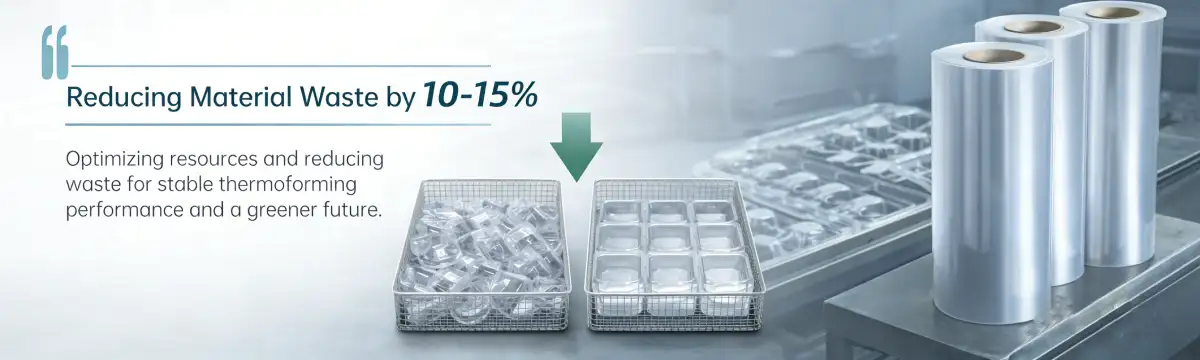
Direct Answer: Why Plastic Packaging Prices Are Increasing
Plastic packaging prices are rising globally in 2026 due to a combination of factors affecting the petrochemical supply chain.
The most important drivers include:
- Rising crude oil and energy prices
- Geopolitical tensions affecting petrochemical supply
- Production disruptions in key resin manufacturing regions
- Increased global demand for packaging materials
- Logistics and transportation cost fluctuations
Because most plastic packaging materials are derived from petrochemical resins such as PET, PP, PS, and PVC, any disruption in the oil and chemical supply chain quickly affects plastic packaging prices.
For companies that rely on thermoforming plastic sheets to produce packaging trays, blister packs, and food containers, understanding these market dynamics has become increasingly important.
Global Resin Market Overview
The plastic packaging industry is closely connected to the global petrochemical market. Resin materials used in thermoforming packaging are produced from oil-based feedstocks such as ethylene, propylene, and paraxylene.
Since late 2025, the global resin market has experienced significant price volatility.
Industry reports from organizations such as ICIS and Plastics News indicate the following approximate resin price movements.
| Material | Typical Price Increase | Market Drivers |
|---|---|---|
| PET Resin | 15% – 30% | Energy costs, paraxylene supply |
| PP Resin | 12% – 25% | Propylene market volatility |
| PS Resin | 10% – 20% | Styrene production fluctuations |
| PVC Resin | 8% – 18% | Production adjustments |
These changes may vary by region, but the overall trend across many global markets shows upward pressure on plastic resin prices.
Because raw materials account for 60%–80% of plastic sheet production costs, even moderate resin price increases can significantly affect final packaging material prices.
The Role of Energy and Oil Prices
Energy prices are one of the most influential factors in plastic production costs.
Most plastic resins originate from petrochemical processes that rely heavily on oil and natural gas. When crude oil prices rise, the cost of producing petrochemical intermediates also increases.
These cost increases eventually pass through the supply chain to packaging manufacturers.
Additionally, petrochemical plants require large amounts of energy for processes such as polymerization, extrusion, and resin pellet production. Rising electricity and natural gas prices further increase manufacturing costs.
Geopolitical Tensions and Supply Chain Disruptions
Geopolitical developments can significantly affect petrochemical supply chains.
When conflicts or political instability occur in regions that play an important role in global energy production, oil prices often react quickly.
This volatility then spreads through the petrochemical industry.
In addition to energy price effects, geopolitical tensions can also disrupt:
- shipping routes
- chemical exports
- production capacity utilization
These disruptions may temporarily tighten resin supply in global markets.
Logistics and Transportation Costs
The global packaging supply chain also depends heavily on international transportation.
Plastic resin is often produced in one region and processed into sheets or packaging materials in another. Shipping costs therefore play an important role in final product pricing.
In recent years, logistics costs have fluctuated due to several factors:
- fuel price increases
- shipping capacity constraints
- port congestion
- regional trade disruptions
Even moderate increases in transportation costs can affect the price of bulk materials such as plastic resin and plastic sheet rolls.
Increased Global Demand for Packaging
While supply disruptions are affecting the resin market, demand for plastic packaging has continued to grow.
Several trends are driving this increase in demand:
- growth in food delivery services
- expansion of e-commerce packaging
- increasing use of protective retail packaging
- rising demand for fresh food packaging
Thermoforming packaging in particular is widely used in food packaging trays, fruit containers, bakery packaging, and retail blister packs.
This sustained demand adds additional pressure to an already constrained supply chain.
Impact on Thermoforming Plastic Sheet Prices
Thermoforming plastic sheets are widely used to produce packaging products such as:
- food trays
- blister packaging
- bakery containers
- electronics packaging
Materials commonly used in thermoforming include:
- PET sheets
- PP sheets
- PS sheets
- PVC sheets

Because these materials are directly derived from petrochemical resins, thermoforming sheet prices closely follow resin price trends.
In many markets, sheet manufacturers have reported that quotation validity periods have shortened significantly. While quotations previously remained valid for several weeks, some suppliers now provide validity periods of only 3 to 7 days due to rapid raw material cost changes.
Cost Comparison of Common Thermoforming Materials
| Material | Typical Price Level | Clarity | Food Packaging Suitability | Common Applications |
|---|---|---|---|---|
| PET Sheet | Medium | Excellent | Very suitable | Food trays, blister packaging |
| PP Sheet | Medium | Moderate | Very suitable | Microwave food containers |
| PS Sheet | Low | Good | Limited | Bakery trays, disposable packaging |
| PVC Sheet | Low | Excellent | Limited food use | Retail blister packaging |
What Packaging Buyers Should Do in a Volatile Market
For packaging manufacturers and procurement managers, volatile raw material markets create difficult purchasing decisions.
Several strategies can help reduce procurement risk.
Secure Reliable Supply
Maintaining stable supplier relationships becomes critical when markets fluctuate.
Suppliers with stable production capacity and long-term raw material partnerships are more likely to maintain consistent delivery schedules.
Monitor Resin Market Trends
Understanding resin price movements can help buyers make better procurement decisions.
While short-term price fluctuations are common, broader market trends often provide useful signals about future price direction.
Plan Procurement Earlier
When supply chains become uncertain, early procurement planning can reduce the risk of material shortages.
Packaging manufacturers often prefer securing supply in advance rather than reacting to sudden market disruptions.
Maintain Flexible Production Planning
Some companies adjust packaging material specifications or production schedules to manage cost volatility more effectively.
Flexibility can help reduce exposure to sudden price increases.
2026 Plastic Resin Price Outlook
The following table summarizes general market expectations for major packaging resins used in thermoforming plastic sheets. Actual market prices may vary by region and supplier.
| Material | 2025 Average Price Trend | 2026 Market Outlook | Key Influencing Factors |
|---|---|---|---|
| PET Resin | Moderate Increase | Volatile with upward pressure | Energy prices, PX supply |
| PP Resin | Stable → Increasing | Moderate volatility | Propylene supply, oil prices |
| PS Resin | Slight Increase | Relatively stable | Styrene production |
| PVC Resin | Fluctuating | Regional differences | Production capacity changes |
Industry Outlook for Plastic Packaging Prices
Predicting the exact direction of plastic packaging prices is difficult because the market depends on several global factors.
However, most analysts expect resin prices to remain sensitive to energy markets and geopolitical developments throughout 2026.
While short-term fluctuations are likely to continue, long-term demand for packaging materials remains strong due to global growth in food packaging, e-commerce, and consumer goods.
This means that reliable supply chains and stable supplier relationships will remain essential for packaging manufacturers.
FAQ: Plastic Packaging Prices and Market Trends
1. Why are plastic packaging prices increasing in 2026?
Plastic packaging prices are rising primarily because of higher petrochemical raw material costs, energy price fluctuations, and supply chain disruptions affecting resin production.
2. Which plastic materials are most affected by resin price increases?
Common packaging materials such as PET, PP, PS, and PVC are all affected because they are derived from petrochemical feedstocks.
3. Are PET thermoforming sheets becoming more expensive?
Yes. PET resin prices have increased in many markets, which directly affects the price of PET sheets used in food packaging and blister packaging.
4. Will plastic packaging prices continue rising?
Prices may continue fluctuating depending on global energy markets, resin production capacity, and transportation costs.
5. Should packaging buyers wait for prices to decrease?
Waiting can sometimes increase procurement risk if supply shortages occur. Many companies prefer securing reliable supply instead of trying to predict short-term price movements.
6. How can buyers reduce risk when purchasing plastic sheets?
Working with stable suppliers, monitoring resin market trends, and planning procurement earlier are common strategies for managing price volatility.
Final Thoughts
The plastic packaging industry is closely connected to global petrochemical markets.
When energy prices, geopolitics, and supply chains change, packaging material prices inevitably follow.
For packaging manufacturers and procurement managers, understanding these market dynamics can help guide better purchasing decisions.
While price volatility may continue in the near term, stable supplier relationships and clear communication remain the most reliable way to maintain consistent packaging production.