تطبيق مميز · مخبز & تغليف الحلويات
كيفية اختيار ورقة التشكيل الحراري للمخبز & تغليف الحلويات
دليل عملي لاختيار الورقة للتشكيل الحراري المصنعون ومحولو التعبئة والتغليف يختارون APET، لفات صفائح RPET أو PP للكعك والمعجنات والبسكويت، الحلويات وغيرها من عبوات المخابز والحلويات.
إجابة سريعة
ل تغليف المخابز والحلويات بشكل واضح, عادةً ما يكون APET هو أول مسار لصفائح التشكيل الحراري يتم تقييمه. يمكن أخذ RPET بعين الاعتبار عندما يكون المحتوى المعاد تدويره جزءًا من متطلبات التعبئة والتغليف مع الحفاظ على الحل القائم على PET. للتطبيقات التي تنطوي على متطلبات درجة حرارة أعلى أو أنظمة التغليف القائمة على PP, تعتبر PP بشكل عام نقطة البداية الأكثر أهمية.
وينبغي أيضا النظر في اختيار الورقة النهائية هندسة الحزمة، مقياس البداية، الصلابة المطلوبة، رؤية المنتج، وظروف الشحوم والرطوبة، طريقة الإغلاق وعرض اللفة وأداء التشكيل الحراري الفعلي.
01 اختر المادة الورقية من تطبيق المخبز
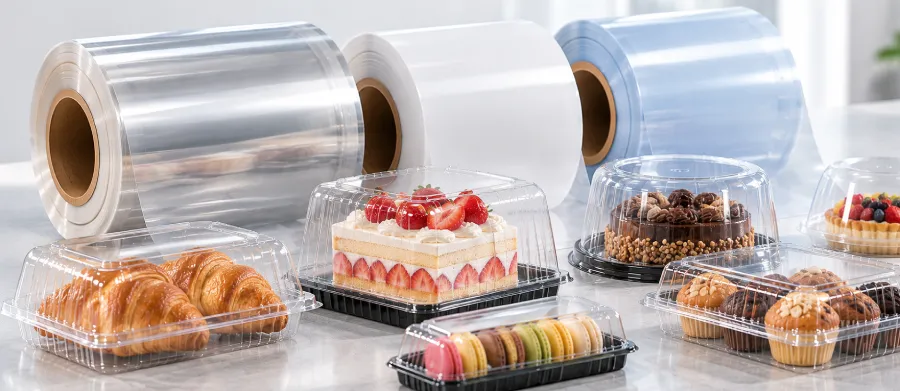
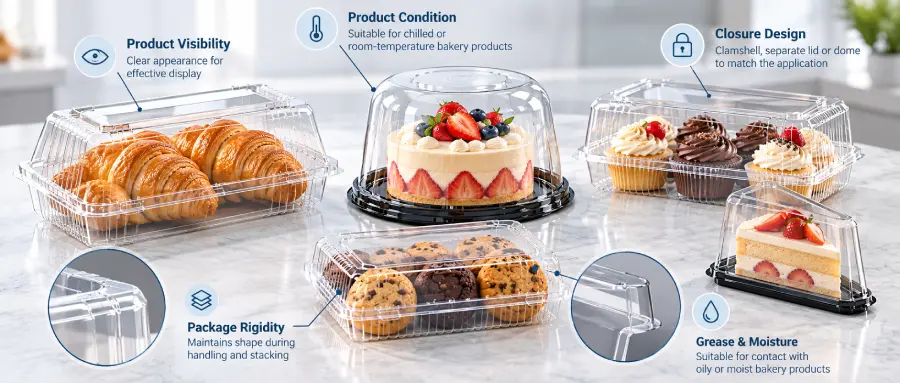
تغطي عبوات المخبوزات منتجات وحزمًا مختلفة جدًا التنسيقات. علبة كيك شفافة، صدفة معجنات، صينية كوكيز ويمكن تشكيل حاوية الحلوى بالحرارة من الصفيحة، لكن مواصفات الورقة المطلوبة يمكن أن تكون مختلفة.
ابدأ برؤية المنتج، وظروف درجة الحرارة، هندسة العبوة والصلابة المطلوبة وطريقة الإغلاق. توفر هذه العوامل عادة نقطة انطلاق أفضل بدلاً من اختيار المادة من اسم المنتج وحده.
| متطلبات التعبئة والتغليف | المواد للتقييم أولا | اعتبارات شراء الورقة |
|---|---|---|
| تغليف الكيك أو المعجنات أو الحلوى بشكل واضح | قرد | الوضوح، الصلابة، القياس، عمق التشكيل، مظهر السطح وهندسة الإغلاق. |
| عبوات PET مع متطلبات المحتوى المعاد تدويره | rpet | متطلبات المحتوى المعاد تدويره، والمظهر، تشكيل الأداء وقياس ومواصفات المشروع. |
| تطبيق مخبز أو حلوى بدرجة حرارة أعلى | ص | التعبئة الفعلية أو درجة حرارة الاستخدام، الصلابة وتكوين السلوك ومتطلبات الإغلاق. |
| تغليف عالي الوضوح للمنتج | أبيت / ربيت | وضوح الورقة، وجودة السطح، المظهر بعد تشكيل وهندسة الحزمة. |
| قبة كعكة عميقة أو غطاء طويل القامة | يجب تقييم المواد والمقياس معًا | عمق التشكيل، توزيع الجدار، هندسة الزاوية والصلابة وتصميم القالب. |
02 حدد مقياس البداية من هندسة الحزمة وصلابةها
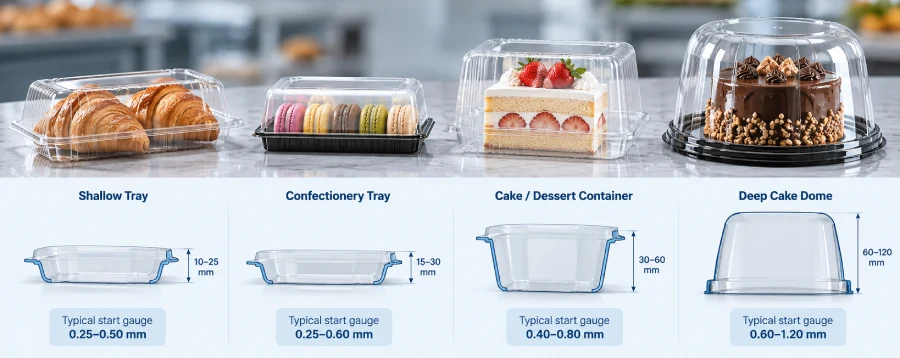
يجب أن يوفر مقياس ورقة البداية مادة كافية لعملية التشكيل الحراري مع السماح بالانتهاء الحزمة لتحقيق الصلابة والشكل المطلوب.
يتم توزيع المعجنات أو صواني الحلويات بشكل طبيعي المواد مختلفة عن أغطية الكعكة الطويلة أو الحلوى العميقة حاويات. مع زيادة عمق التشكيل، يتم توزيع الجدار ويصبح التخفيف المحلي أكثر أهمية.
هذا مفيد النطاق المرجعي للتطبيق, ليس الحد الأقصى لسمك التصنيع الخاص بـ DESU. يجب اختيار مقياس البداية النهائي وفقًا لذلك للمواد، وأبعاد الحزمة، وعمق التشكيل، الصلابة المطلوبة وتوزيع الجدار و ظروف التشكيل الحراري.
تتطلب أغطية الكيك الطويلة والحاويات العميقة مزيد من الاهتمام لتوزيع المواد من صواني ضحلة.
يجب أن تحتفظ الحزمة المشكلة بالصلابة الكافية لحماية منتج المخبوزات أثناء المناولة والعرض.
الشفاه والحواف سهلة التركيب والمفصلات الصدفية يجب أن تظل مستقرة الأبعاد بعد التشكيل.
03 قم بمطابقة الورقة مع متطلبات حزمة المخبز
غالبًا ما يتعين على تغليف المخبوزات أن يوازن بين عرض المنتج مع التعامل العملي. قد تحتاج الورقة إلى توفير رؤية واضحة للمنتج، والحفاظ على شكل كبير غطاء الكعكة، التعامل مع ملامسة المنتجات الزيتية أو الرطبة، والعمل بشكل موثوق مع الإغلاق المقصود.
رؤية المنتج
للكعك والمعجنات والحلويات التي تباع من خلال العرض المرئي ووضوح الورقة ومظهرها بعد ذلك يمكن أن يكون التشكيل متطلبات شراء مهمة.
شحم & رُطُوبَة
وصف ما إذا كانت الحزمة سوف تتصل الزيتية، المنتجات الرطبة أو المبردة أو الطازجة يمكن مناقشة متطلبات الورقة في السياق الصحيح.
إنهاء & المناولة
Snap-fit lids, clamshells, separate bases and covers place different demands on rim definition, dimensional stability and formed-part rigidity.
Temperature Should Be Defined From the Real Application
“Bakery packaging” does not automatically mean one temperature condition. Some products are packed only after cooling, while other projects may involve warmer filling or different use conditions.
If temperature is relevant, provide the expected filling, storage and use conditions عند مناقشة الورقة بدلاً من الاعتماد على فئة المنتج وحدها.
04 تحويل التحديد إلى مواصفات لفة الإنتاج
بمجرد تحديد المادة وقياس البداية، المواصفات لا تزال بحاجة إلى تحويلها إلى لفة تناسب خط التشكيل الحراري الخاص بالعميل والأدوات.
المعلمات للتأكيد قبل الإنتاج
يجب أن يتبع عرض اللفة تخطيط الأدوات
يؤثر عرض اللفة على تغذية الماكينة وتخطيط التجويف و الاستفادة من المواد. بالنسبة للإنتاج الحالي توفير عرض لفة الحالي. من أجل مشروع جديد، يعد تخطيط الأدوات وعرض تغذية الماكينة مفيدًا مراجع لتحديد لفة الإنتاج.
05 قم باعتماد الورقة على أداة التغليف الفعلية
Final approval should be based on how the sheet performs after heating, forming, trimming and closing the package, not only on the incoming roll specification.
A forming trial is especially useful for a new mold, deeper package, material change, gauge reduction or new closure design.
المادة، المقياس، العرض، المظهر ومتطلبات الحزمة.
Process the sheet on the intended thermoforming machine and mold.
Check walls, corners, clarity, rigidity, rim and trim quality.
تأكد من ملاءمة الغطاء أو المفصلة أو التثبيت المفاجئ الأداء قبل العرض المنتظم.
ما الذي يجب التحقق منه بعد التشكيل؟
- توزيع سمك الجدار والزاوية
- الوضوح والمظهر بعد التشكيل
- صلابة الحزمة واستقرار الأبعاد
- قبة الكعكة أو الاحتفاظ بشكل الغطاء
- تعريف الحافة والشفة
- تبييض أو إجهاد واضح في المناطق العميقة
- جودة القطع والحافة
- أداء إغلاق ملائم أو مفصل أو غطاء
- التراص والإزالة عند الاقتضاء
الهدف هو التأكد من أن الورقة المحددة تعمل بشكل موثوق مع العميل الآلة والعفن وهندسة العبوة وتصميم الإغلاق.
06 ما الذي يجب إرساله إلى DESU للحصول على ورقة تغليف المخبوزات RFQ
إذا كانت الحزمة قيد الإنتاج بالفعل، فإن التيار الخاص بك مواصفات الورقة هي أسرع نقطة بداية. لمشروع جديد، أرسل أكبر قدر مما يلي المعلومات كما لديك حاليا.
مادة: APET / RPET / PP / لم يقرر
سمك الورقة: ___ مم / لم يقرر
عرض لفة: ___ مم
مظهر: واضح / طبيعي / ملون
أبعاد العبوة: الطول ___ × العرض ___ × العمق ___ مم
الحد الأقصى لعمق التشكيل: ___ مم
منتج: ___
درجة حرارة الملء/الاستخدام: ___
إنهاء: ملائم / مفصل / غطاء منفصل / أخرى
متطلبات خاصة: الوضوح / مضاد للضباب / السطح / أخرى / لا شيء
عرض تغذية الآلة: ___ مم / غير معروف
متطلبات وزن اللفة الأساسية/القطر الخارجي/اللفة: ___ / اتبع توصية المورد
رسم أو عينة مشكلة: متاح / غير متاح
الكمية التجريبية: ___
الطلب على الإنتاج المقدر: ___
القيم غير المعروفة لا تحتاج إلى تأخير المناقشة. ملصق لفة حالي، ورسم العبوة، ومعلومات القالب أو يمكن أن توفر العينة المشكلة في كثير من الأحيان سياقًا كافيًا تحديد مواصفات ورقة البداية العملية.
07 الأسئلة الشائعة - ورقة شراء للمخبز & تغليف الحلويات
ما هي المواد الورقية المستخدمة بشكل شائع في تغليف المخبوزات الشفافة؟
يعتبر APET مادة انطلاق عملية للعديد من الأشخاص حزم الكعك والمعجنات والكعك والحلوى حيث المنتج الرؤية وصلابة الأجزاء المشكلة مهمة. يجب أن يأخذ الاختيار النهائي في الاعتبار عمق الحزمة، تصميم الإغلاق وظروف التشكيل الفعلية.
متى ينبغي النظر في RPET؟
يمكن تقييم RPET عندما يكون المحتوى المعاد تدويره جزءًا منه لمتطلبات المشروع والتشكيل الحراري القائم على PET الحل مناسب. المحتوى المعاد تدويره المطلوب، ينبغي تأكيد مواصفات المظهر والتشكيل للمشروع الفردي .
متى ينبغي النظر في PP لتغليف المخابز؟
PP بشكل عام يستحق تقييم مكان التطبيق لديه متطلبات درجة حرارة أعلى أو حيث يعتمد على PP يفضل نظام الحزمة. توفير الحشوة الفعلية، شروط التخزين والاستخدام بدلا من الاعتماد فقط في وصف "تغليف المخبز".
ما هو سمك الورقة الذي يجب أن أستخدمه لتغليف المخبوزات؟
النطاق المرجعي للتطبيق العملي هو 0.25-1.20 ملمولكن هذا ليس كذلك حد سمك تصنيع DESU أو عالمي توصية. يجب تحديد مقياس البداية وفقا للمادة، وعمق التشكيل، وهندسة الحزمة، الصلابة المطلوبة وتوزيع الجدار.
هل تتطلب قبة الكعكة الطويلة صفيحة أكثر سمكًا؟
It may require a different starting gauge, but thickness alone should not be used to solve the forming requirement. Dome height, geometry, corner radii, material distribution, tooling and forming conditions should be evaluated together.
Does every bakery package need anti-fog sheet?
لا، يجب تحديد مضاد الضباب عند التكثيف الشروط ورؤية المنتج المطلوبة من الضروري. المنتج، حالة التعبئة، ينبغي أن تكون درجة حرارة التخزين وتصميم الحزمة يؤخذ بعين الاعتبار قبل إضافة الشرط.
هل تقوم شركة DESU بتصنيع علب الكعك الجاهزة أو حاويات المخابز؟
لا، تقوم DESU بتصنيع صفائح بلاستيكية بالحرارة ولفائف الألواح الموردة لمصنعي التعبئة والتغليف ومحولات التشكيل الحراري التي تنتج تغليف المخبز النهائي.
مصادر ورقة رولز لتغليف المخابز؟
Send us your application, current material, thickness and roll width. For a new project, include the package dimensions, forming depth, temperature conditions, required appearance and closure method. We can use that information to discuss a practical starting sheet specification for your thermoforming line.