High-Barrier Thermoforming Sheet Selection Guide
วิธีระบุม้วนแผ่น PET/EVOH สำหรับการใช้งานถาด MAP
Selecting high-barrier sheet for modified atmosphere packaging requires more than choosing a PET-based material. The layer structure, oxygen-barrier requirements, sheet thickness, surface compatibility and roll quality all influence material suitability for MAP tray applications.
01 Understanding Sheet Requirements for MAP Applications
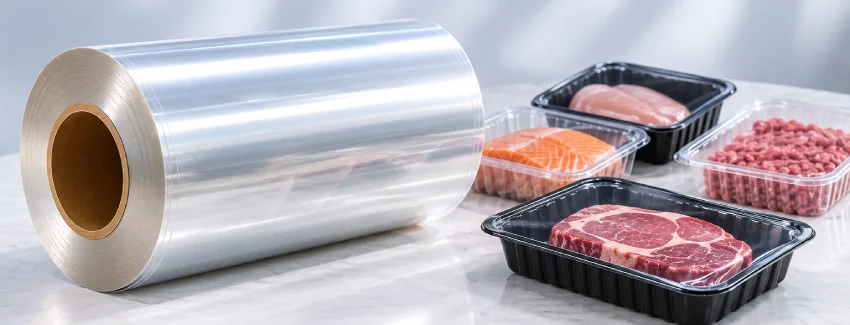
Modified atmosphere packaging (MAP) is commonly used for fresh meat, poultry, seafood and other foods that require controlled packaging conditions. For manufacturers of thermoformed MAP trays, selecting an appropriate sheet structure is an important part of meeting the packaging specification.
Standard PET sheet provides useful stiffness, surface appearance and thermoforming properties. However, PET alone may not provide the oxygen-barrier performance required for a particular MAP application.
PET/EVOH multilayer sheet combines PET-based structural properties with an EVOH functional barrier layer. The resulting material can be specified for applications where oxygen transmission must be controlled.
DESU supplies PET/EVOH high-barrier sheet in roll form for thermoforming manufacturers and packaging converters. The sheet specification should be selected according to the customer’s barrier requirements, processing conditions and intended packaging structure.
02 Comparing PET/EVOH/PE and PET/EVOH/PET Sheet
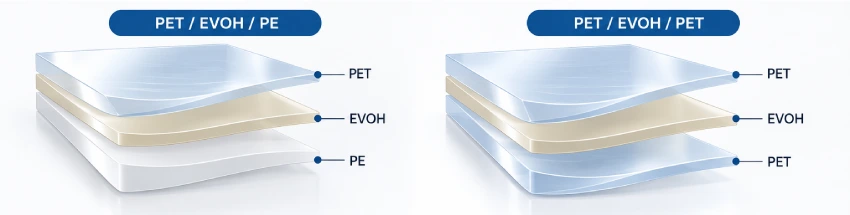
DESU offers two PET/EVOH multilayer sheet structures: PET/EVOH/PE and PET/EVOH/PET. Both incorporate an EVOH barrier layer, but their outer surface materials differ. This difference matters when specifying the sheet for the intended packaging application.
| โครงสร้าง | ลักษณะของวัสดุ | Selection Considerations |
|---|---|---|
| PET/EVOH/PE | PET-based structural layer, EVOH oxygen-barrier layer and a PE-side surface. | Consider when the application requires a PE-side interface. Confirm the contact side and compatibility with the intended lidding material. |
| PET/EVOH/PET | PET surfaces with an internal EVOH oxygen-barrier layer. | Consider when PET surfaces are preferred. Confirm the required sealing interface and complete sheet construction. |
The choice is not simply a question of which structure has the better oxygen barrier. Both can be designed around a barrier requirement, while their surface characteristics and compatibility with other packaging materials may differ.
For PET/EVOH/PE sheet, the PE side should be clearly identified in the specification. For PET/EVOH/PET sheet, the required surface and sealing arrangement should also be confirmed before ordering.
Additional structure details, including individual layer proportions and functional interfaces, should be agreed according to the application rather than assumed from the abbreviated structure name.
See DESU’s แผ่นพลาสติก Evoh overview for related product information.
03 Defining Oxygen-Barrier Requirements
Oxygen-barrier performance is one of the main reasons for specifying PET/EVOH sheet. EVOH is widely used in multilayer packaging because of its oxygen-barrier characteristics under suitable conditions.
However, the presence of an EVOH layer does not automatically establish a particular oxygen transmission rate (OTR). Barrier performance depends on the complete structure, the effective barrier-layer thickness and the conditions under which the material is evaluated.
Define the Required Barrier Level
Buyers should communicate their target oxygen-barrier requirement whenever available. This may be expressed through an OTR specification, an approved reference material or another agreed technical requirement.
OTR values should be compared only when the relevant testing conditions are understood. Temperature, relative humidity and specimen condition can influence the reported result.
Consider Humidity Exposure
EVOH oxygen-barrier performance is sensitive to moisture. The surrounding layers and the intended storage environment therefore matter when selecting a multilayer sheet structure.
For applications involving high humidity or moisture exposure, the buyer should discuss the expected conditions with the sheet supplier rather than relying on a general high-barrier description.
Account for Forming Requirements
During thermoforming, the sheet stretches to form the required shape. The original flat-sheet thickness and layer distribution can change, particularly in deeper or more demanding areas.
For this reason, a flat-sheet barrier specification should not be treated as a guarantee of identical performance in every formed area. The buyer should identify any application-specific performance requirements that need to be confirmed after conversion.
04 Sheet Quality Factors Beyond Oxygen Barrier
Oxygen-barrier properties are essential, but they are not the only requirements for a reliable multilayer thermoforming sheet. Consistent sheet quality also affects material handling and processing.
| Quality Factor | Why It Matters | Buyer Check |
|---|---|---|
| Total Thickness | Influences rigidity, forming behavior and material consumption. | Confirm the nominal gauge and agreed tolerance. |
| Layer Consistency | Supports repeatable multilayer material characteristics. | Confirm the agreed structure and relevant layer requirements. |
| Laminate Integrity | Helps maintain the intended combined structure during handling and conversion. | Discuss adhesion requirements and applicable evaluation methods. |
| Surface Quality | Influences appearance, handling and suitability for downstream processing. | Review scratches, particles, visible defects and surface requirements. |
| Sheet Flatness | Can affect web handling and feeding consistency. | Confirm flatness expectations and processing compatibility. |
| Roll Consistency | Supports stable feeding and material identification. | Confirm winding quality, roll dimensions and correct surface orientation. |
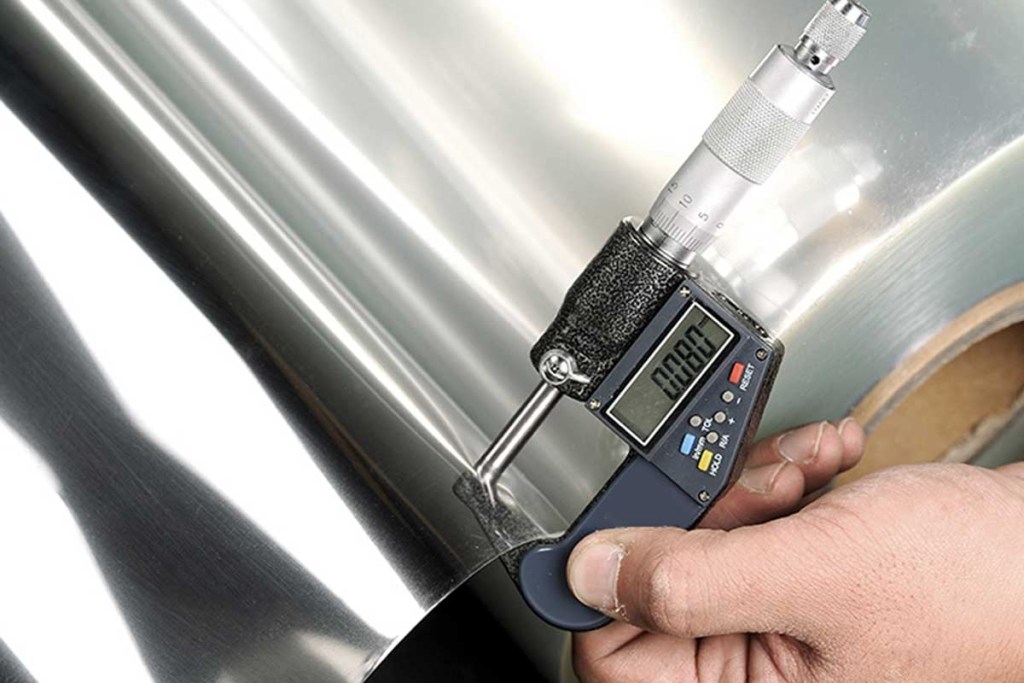
For repeat orders, buyers should also consider batch-to-batch consistency. A material approved during an initial trial should be supplied against an agreed specification so that subsequent orders can be evaluated on the same basis.
05 How to Select the Right PET/EVOH Sheet Structure
A practical selection process begins with the application’s functional requirements rather than choosing a multilayer structure by name alone.
1. Identify the Application
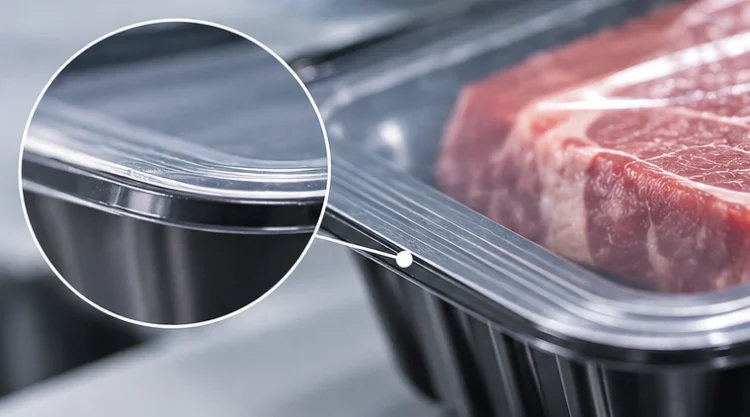
Specify the intended MAP application, such as fresh meat, poultry or seafood packaging. Different applications may involve different oxygen-barrier, storage and material-contact requirements.
2. Confirm the Surface Requirement
Determine whether the project calls for a PE-side surface or PET surfaces. This should be considered together with the intended lidding material and other relevant packaging interfaces.
3. Establish the Sheet Thickness
Sheet gauge should reflect the intended forming geometry, required rigidity and existing equipment conditions. There is no single thickness that automatically suits every MAP tray application.
4. Specify the Barrier Requirement
Provide the required oxygen-barrier target or an approved reference specification when available. The measurement conditions should be included wherever possible.
5. Confirm Material Compatibility
Review the multilayer sheet’s processing suitability, contact-side requirements and any application-specific compliance documentation needed for the destination market.
06 Specifying PET/EVOH Sheet in Roll Form
For thermoforming manufacturers, the roll format is part of the material specification. Even a suitable multilayer sheet may create unnecessary processing difficulties if its roll dimensions or winding configuration do not match the line.
The following details should be confirmed before placing an order:
- Sheet width: Match the production web and material layout.
- Total thickness: Specify the nominal gauge and agreed tolerance.
- Core diameter: Confirm compatibility with the unwinding equipment.
- Roll diameter or weight: Define handling and machine limits.
- Winding configuration: Confirm the required roll orientation.
- Surface identification: Clearly distinguish the relevant material sides.
- Packaging and storage: Discuss protection from contamination, damage and unsuitable storage conditions.
For asymmetric structures such as PET/EVOH/PE, surface identification is especially important. The PE side and PET side should be specified consistently in the purchase documentation and roll identification.
07 What to Include in a PET/EVOH Sheet RFQ
A clear inquiry helps the supplier understand which material requirements are already fixed and which need further technical discussion. If the buyer currently uses an approved multilayer sheet, its existing specification can provide a useful starting point.
PET/EVOH High-Barrier Sheet RFQ Checklist
- แอปพลิเคชัน: MAP tray type and intended food category.
- Preferred structure: PET/EVOH/PE or PET/EVOH/PET.
- Barrier requirement: Target OTR or approved reference specification, if available.
- Test conditions: Relevant temperature, humidity and measurement method.
- ความหนาของแผ่น: Required gauge and tolerance.
- Surface requirements: Product-contact side and intended lidding interface.
- Processing information: Thermoforming equipment and relevant forming requirements.
- Roll specifications: Width, core diameter, winding direction and roll size.
- Documentation: Applicable food-contact and destination-market requirements.
- Commercial details: Trial quantity, expected order volume and delivery destination.
DESU supplies PET-based multilayer thermoforming sheet rolls for packaging manufacturers and converters. We can discuss the required structure, sheet format and material specification based on your application information.
For related products, see แผ่นพลาสติก Evoh และ สัตว์เลี้ยงสำหรับบรรจุภัณฑ์บรรยากาศที่ดัดแปลง -
Need to source PET/EVOH sheet rolls? ติดต่อ DESU with your material requirements for further discussion.
08 คำถามที่พบบ่อย
What is the difference between PET/EVOH/PE and PET/EVOH/PET sheet?
Both are PET-based multilayer structures containing an EVOH oxygen-barrier layer. PET/EVOH/PE has a PE-side surface, while PET/EVOH/PET uses PET surfaces. The preferred structure depends on surface compatibility, barrier requirements and the intended application.
Does every PET/EVOH sheet have the same oxygen-barrier performance?
No. Oxygen-barrier performance depends on the complete multilayer construction, barrier-layer characteristics and testing conditions. Material specifications should be compared using agreed requirements.
Can PET/EVOH sheet be supplied in different thicknesses?
Sheet thickness should be specified according to the application and processing requirements. Contact DESU with the required structure, target gauge and roll dimensions to discuss the available options.
Why does humidity matter for EVOH barrier sheet?
EVOH oxygen-barrier behavior is sensitive to moisture exposure. The surrounding materials and relevant environmental conditions should therefore be considered when specifying the multilayer structure.
What roll information is needed when ordering PET/EVOH sheet?
Buyers should provide sheet width, thickness, core diameter, roll size and winding requirements. For structures with different outer surfaces, the required material-side orientation should also be identified.